Showing posts with label science. Show all posts

Friday, March 27, 2015

Something, in the ineffable clips of light

Today I attended a seminar on open science and research which ended with a panel discussion. The discussion was a delight to follow, the best one I have seen and heard in years. The panelists listened to each other and to the questions from audience, thought carefully what they were saying, and seemed to have fun. All were top people in their professions, and even though the questions asked were complex, all were tackled with finesse and clear vision. I wish all work weeks ended like this.

Yesterday I wrote about how the view count of my photographs at Flickr grew by one or two orders of magnitude since getting the Panasonic LX100 camera. This doesn't mean that all my photographs are popular. Almost 10% of them have zero views, which is a bit depressing.

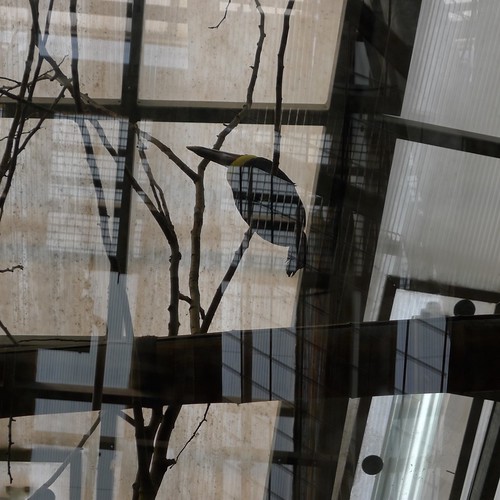
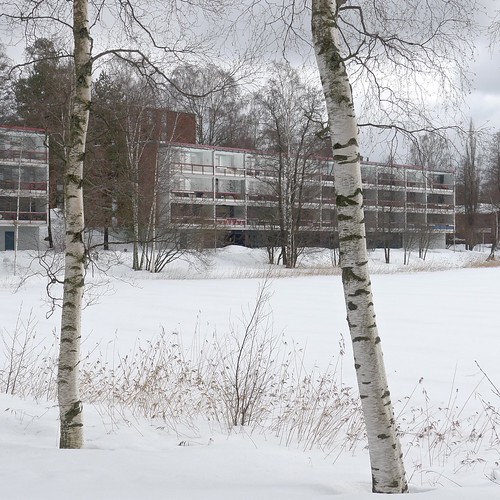
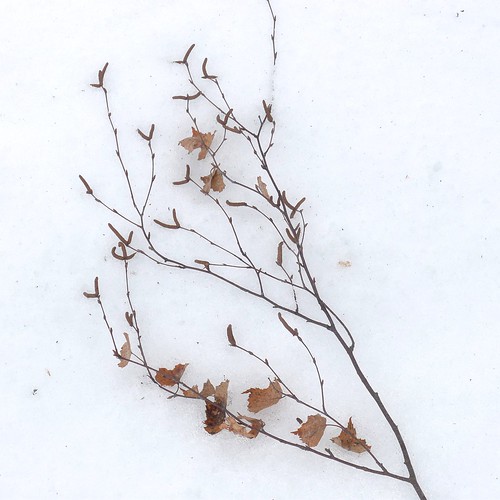
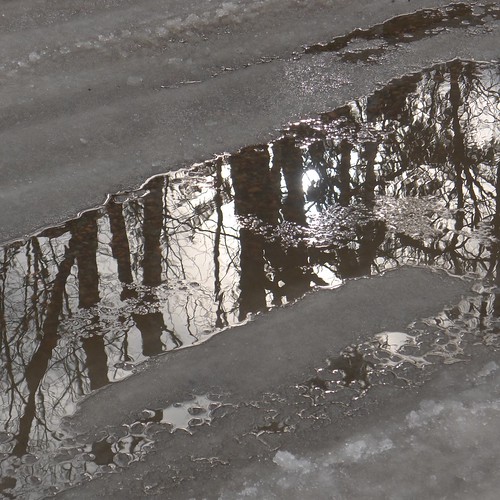
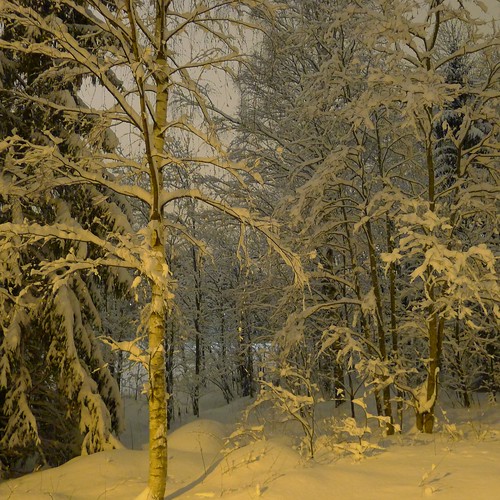
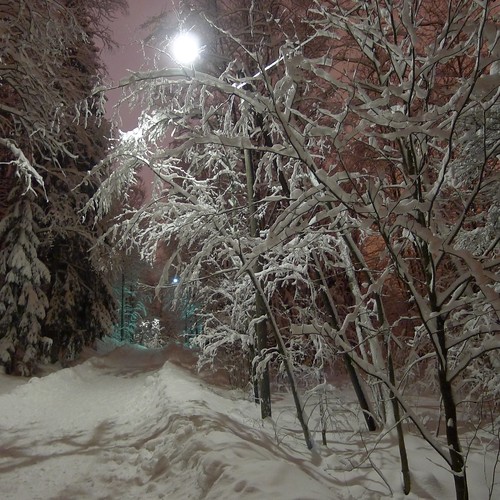
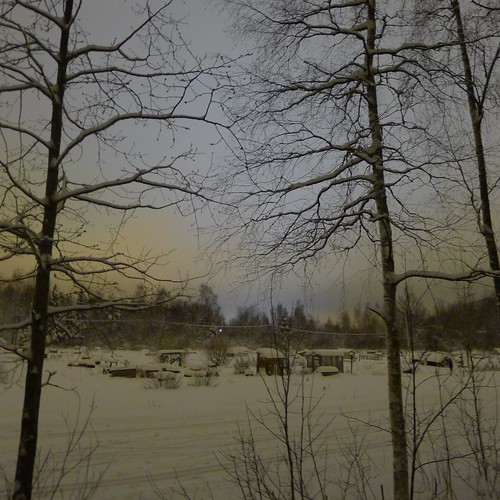
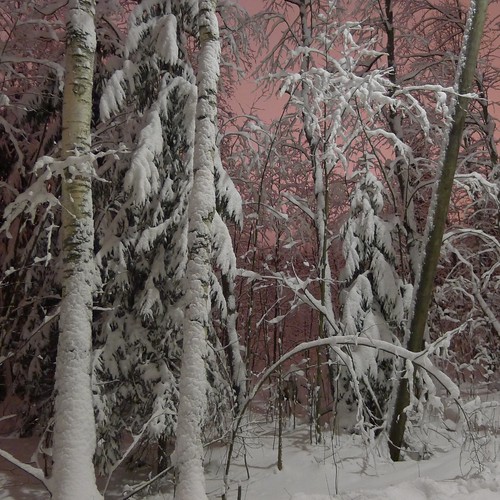
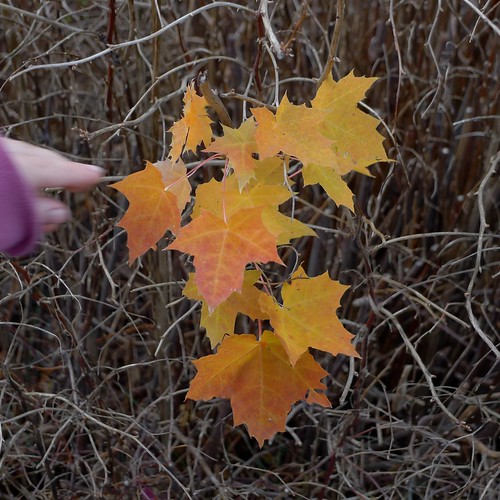
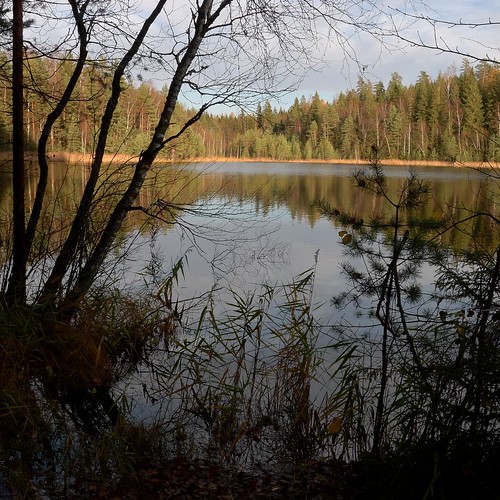
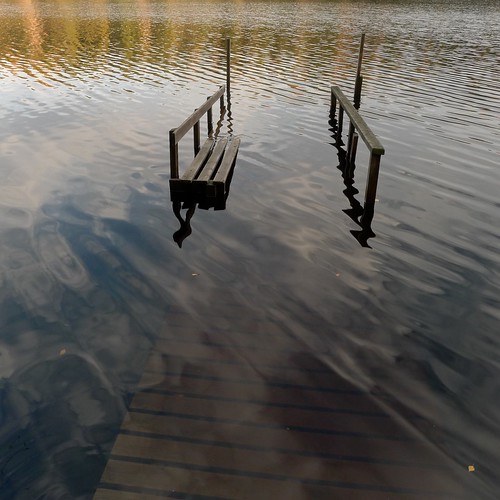
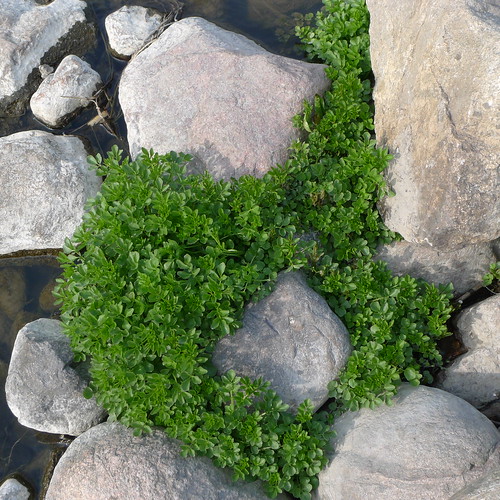
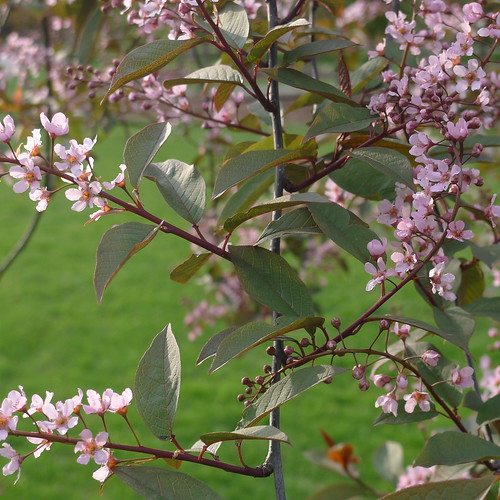
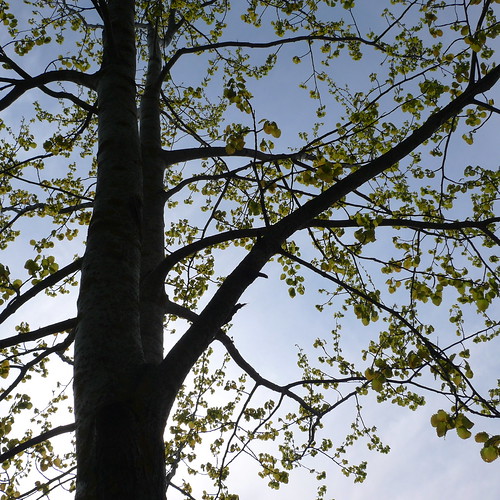
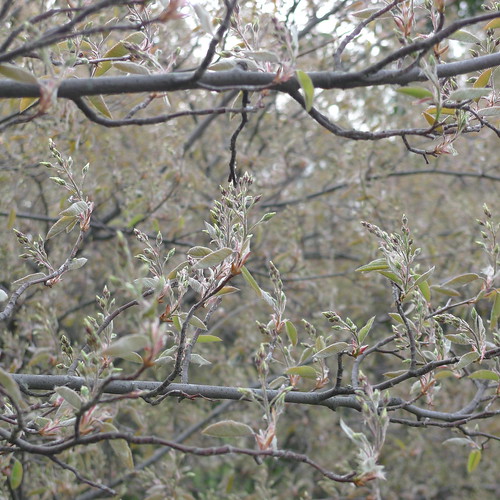
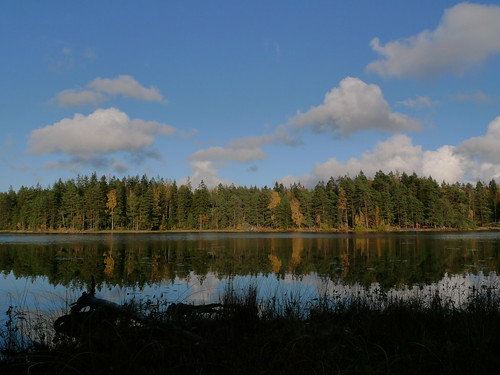
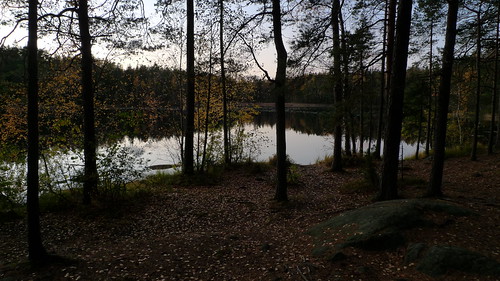
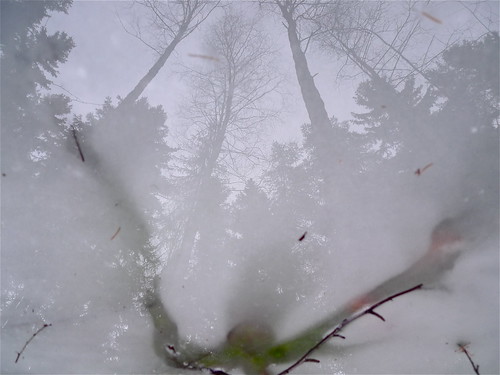
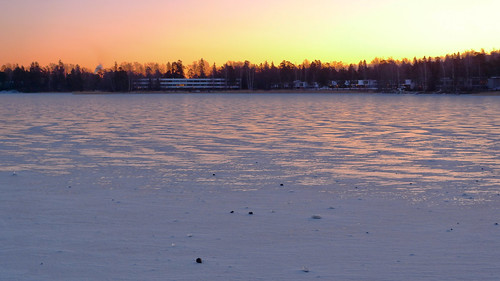
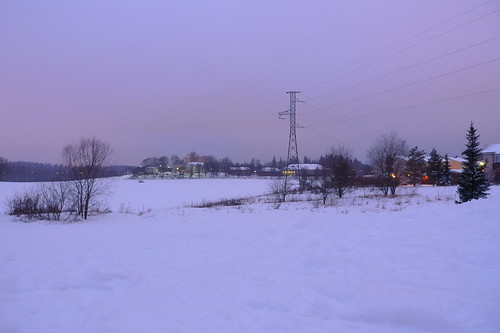
So, here you see somewhat older photographs, all with zero views according to Flickr statistics. These photographs were taken with the Panasonic LX3 between October 4th, 2008, and January 21st, 2009. At that time I hadn't yet grown into square (aka 1:1 aspect ratio).

I commuted by bicycle on four days this week. This year I have so far got 862 km.

(Posting title is from the poem Going to Zero by Peter Balakian.)

Thursday, February 27, 2014

Had nothing else to do but act as scribes

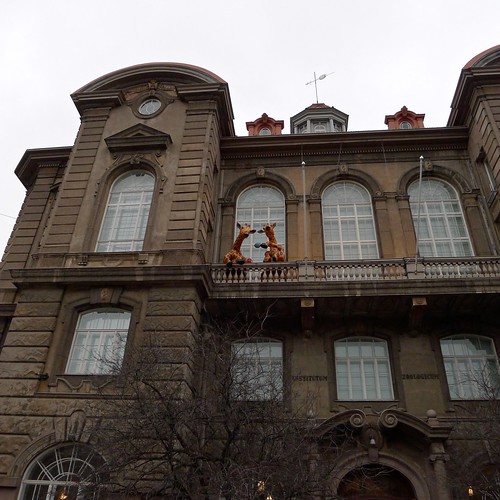
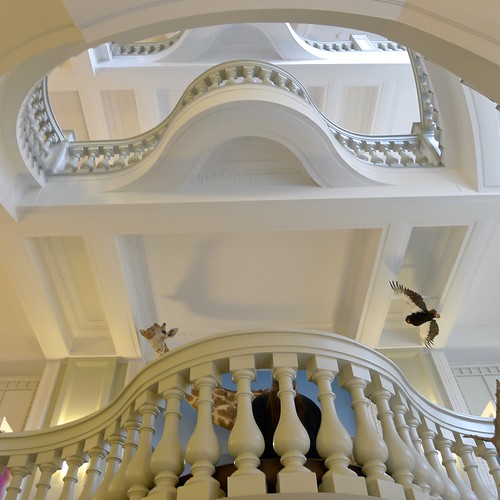
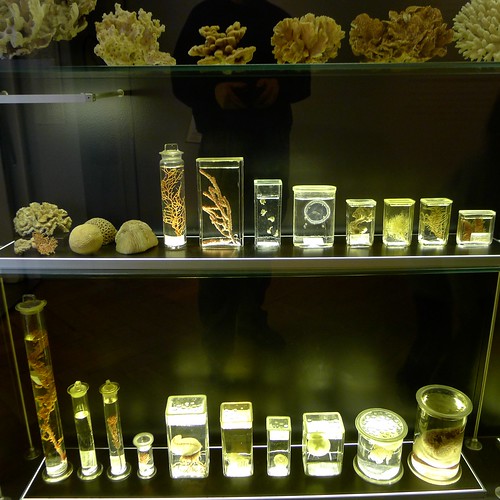
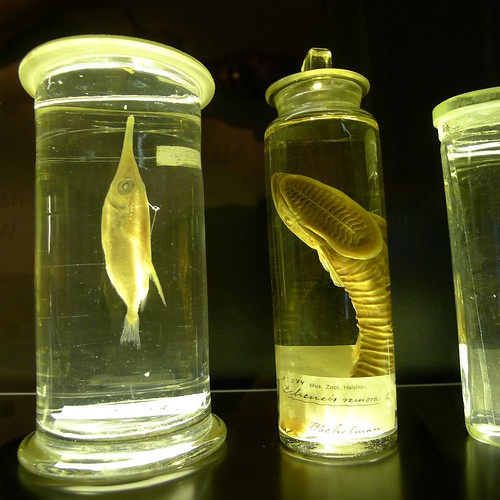
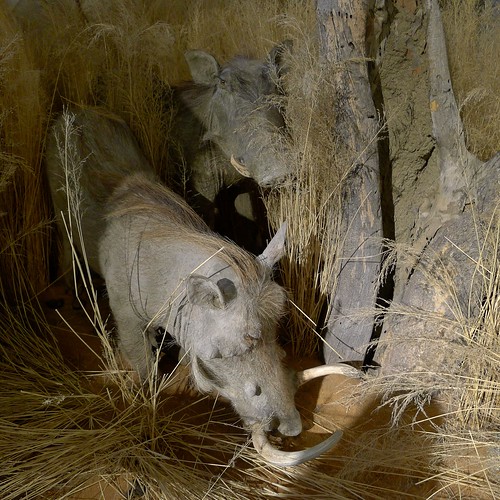
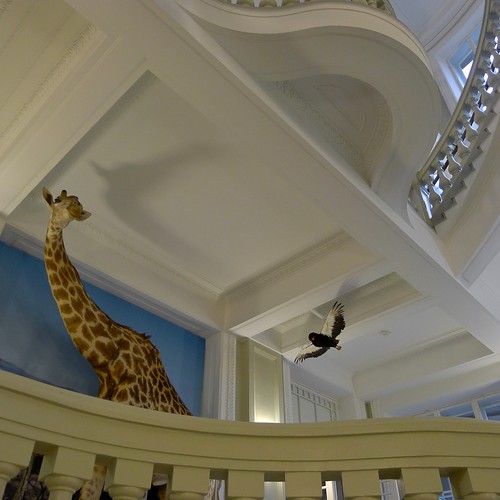
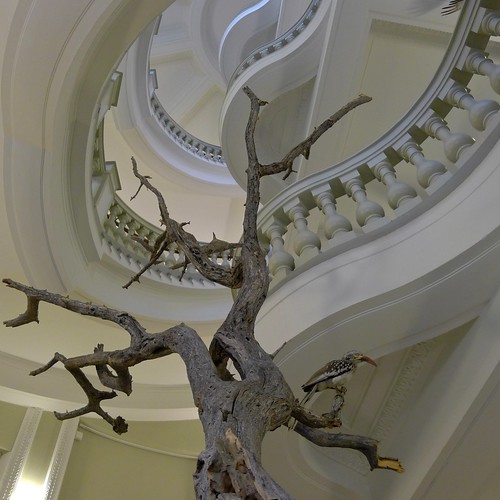
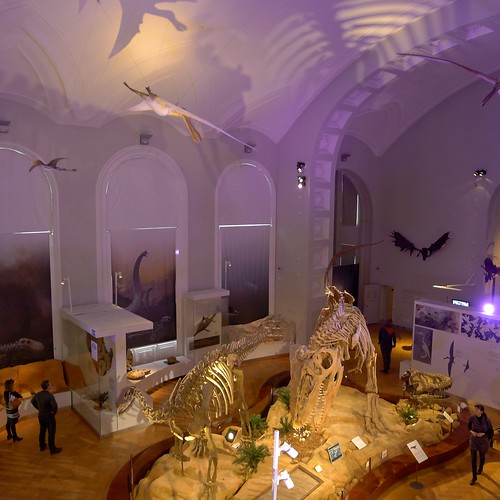
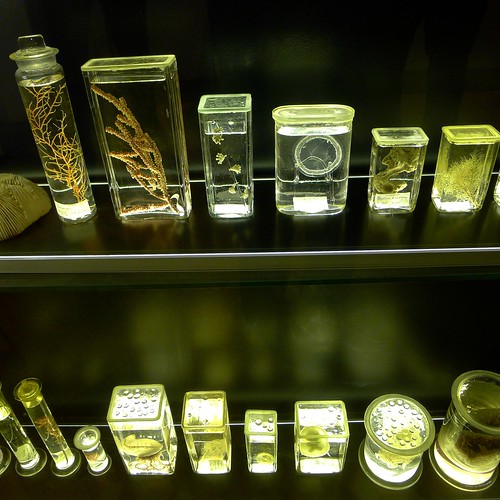
On February 19th I visited with the children Luomus, the Finnish Museum of Natural History. There is plenty of things to see, and what is even better, you are allowed to take photographs inside the museum. Here you see a sample of the collections.

(Posting title is from the poem Cacoethes Scribendi by Oliver Wendell Holmes Sr.)
Saturday, July 20, 2013

She does not practice in this age of light

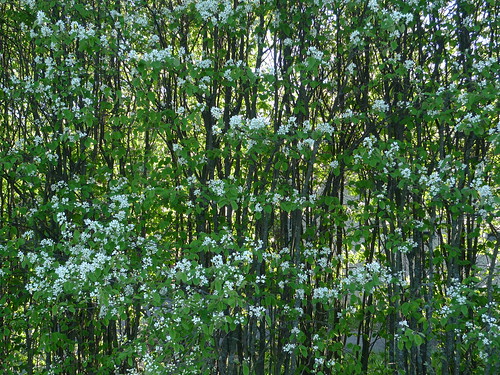
Birds, they seem to be everywhere if one looks carefully enough.

Posting title is from the poem The Sandstone Bird (1836). See here for background about the poem and its writer, geologist Edward Hitchcock. Here are some words written about him:

A man of religion, a man of science; in both, a docile student and an expert teacher; in both, enthusiastic and self-sacrificing; in both, gentle, persuasive, affectionate, sympathetic; in both, shackled by traditions which he both feared and hated to break, yet vigorously holding up his shackles and keeping abreast and in some respects ahead of the advancing age.

Such was Edward Hitchcock, one of the fathers of American Geology, and one who continued to the close of a long life to be an original investigator. A man of ardent fancy, impulsive, curious, and credulous; docile and teachable beyond any adult man of science I ever knew; modest to a marvel; yet, with all this, a man of sufficient self-reliance and determination for the most important practices of life, patient of difficulties, persevering and industrious for final success in any undertaking, sound in judgment, and disciplined in temper, a friend to all, and the friend of all, his whole career laid claims to eminence […]

Update: For a couple of days, we will be exploring the forests and hills at Salla in Lapland. In the cottage we are staying there are thick dark curtains in the windows, probably to help to get sleep. The length of day is today 20 h 58 min. Sunset is at 23:39 and sunrise at 02:41.

Saturday, November 24, 2012

I swear she cast a shadow white as stone

Today I went with my youngest daughter to the Finnish Museum of Natural History, as she was keen on having a look at animals and "rocks" there. The museum was quite busy at the entrance foyer, but in the exhibitions there was no rush as the building is quite large.

The museum is a nice place to visit, and especially good was to see signs encouraging people to take photographs and touch things.

(Posting title is from the poem I Knew a Woman by Theodore Roethke.)
Sunday, March 11, 2012

The most simple-minded of possible responses

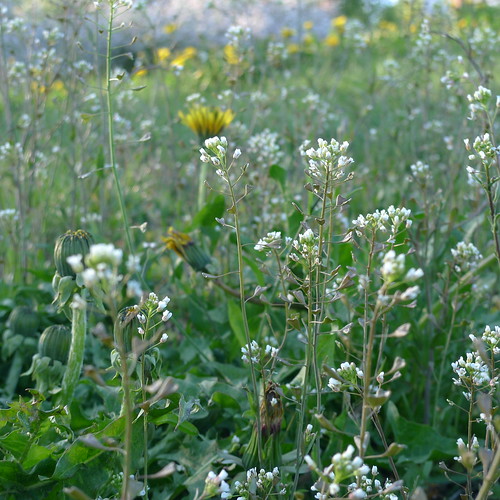
It has been rather warm, up to +5 °C, and wet. A feeling of spring approaching.

I found, via a tweet, an interesting posting written by Stephen Wolfram, titled "The Personal Analytics of My Life".

Wolfram seems to have gathered a lot of data about himself during the years - "I have what is probably one of the world’s largest collections of personal data" - including data about e-mails, phone usage, meetings, and so on.

And not only this but much more, here are two more examples: "I’ve captured every keystroke I’ve typed" and "I’ve been wearing a little digital pedometer that measures every step I take".

The examples provided by Wolfram are rather well done visualizations of complex data.

But what I wonder is, should this be something to get into? Would it be worth the trouble? Does one really learn something of value from this kind of data?

(Posting title is from the poem Personal by Tony Hoagland.)

Friday, January 20, 2012

The world is full of mostly invisible things

My first work week at the Ministry of Education and Culture is finished. Some things were as I expected, and some others quite different. People there are great, but that wasn't a surprise, as every second or third person I met on the first day was someone I already knew at least by sight.

What I was thinking today while walking and taking photographs is the sad situation we have in society, when nothing seems to have an intrinsic value. Human beings are just for profit, and so is nature, and any other thing you care to mention. Everything is measured in terms of how much profit it can make.

I'm a techno-optimist, but still I feel bad about this. And this may also be why I have sometimes got the feeling that humankind is slowly but surely going extinct. Innovation is the word for today, and valuable things like science, education and culture are just fuel for the engine of the industry, geared for rapid profit.

But maybe humankind will find wisdom, learning from failures. If it isn't too late already?

Saturday, October 22, 2011

The illusion of skill

There was an extremely interesting article published by The New York Times, by Daniel Kahneman, a winner of the 2002 Nobel Prize in Economics. The article was titled "Don’t Blink! The Hazards of Confidence", and tells how people think their success is due to skill, not luck. (And there is of course the other side of the coin, that people think that those who don't succeed are lazy or unskilled, even though it often is just a matter of luck.)

Kahneman tells of his study of "investment advisers in a firm that provided financial advice and other services to very wealthy clients". These advisers were confident that their performance is based on skill, not luck.

But what Kahneman found was very different. He compared correlations between the years and the advisers: "The results resembled what you would expect from a dice-rolling contest, not a game of skill."

This was very different from the understanding inside the company: "The advisers themselves felt they were competent professionals performing a task that was difficult but not impossible, and their superiors agreed."

And what happened when Kahneman reported his findings? Nothing: "Facts that challenge such basic assumptions — and thereby threaten people’s livelihood and self-esteem — are simply not absorbed. The mind does not digest them. This is particularly true of statistical studies of performance, which provide general facts that people will ignore if they conflict with their personal experience."

So, even though there were clear facts on the table showing "the firm was rewarding luck as if it were skill", nothing changed, as if everyone was blind to the truth. Or pretended to be: 'When we were done, one executive I dined with the previous evening drove me to the airport. He told me, with a trace of defensiveness, “I have done very well for the firm, and no one can take that away from me.” I smiled and said nothing. But I thought, privately: Well, I took it away from you this morning. If your success was due mostly to chance, how much credit are you entitled to take for it?'

So, do you think you are skilled, or have you just been lucky? That is a question worth thinking about.

Maybe it also applies to photography?

Saturday, August 20, 2011

A Brain-Based Theory of Beauty

Tomohiro Ishizu and Semir Zeki published recently an interesting paper in PLoS ONE, titled Toward A Brain-Based Theory of Beauty. They write: "We conclude that, as far as activity in the brain is concerned, there is a faculty of beauty that is not dependent on the modality through which it is conveyed but which can be activated by at least two sources–musical and visual–and probably by other sources as well. This has led us to formulate a brain-based theory of beauty."

I wonder what kind of activity these two photographs raise in a human brain - and I wonder also, to what degree beauty can be reduced to levels of brain activation.

Friday, May 20, 2011

Feast of flowers, blindness of people

It seems that we are having a feast of flowers, more than usually. Maybe it is because of the long and warm summer last year. Of maybe this is just a caprice of memory; the long winter smudging up memories of summer.

Speaking of memory, there was a provocative article by Graham Lawton in New Scientist (May 14, 2011), titled The Grand Delusion: "From your senses to your memory, your opinions and beliefs, how you see yourself and others and even your sense of free will, things are not as they seem."

Lawton's article uses human visual system as a key topic to demonstrate how strange our brain is, and how we really don't know (and in fact can't really know) how the brain fools us.

We have an impression of living in a continuously updated colored visual world, but analysis of the visual system shows that this is an illusion created by the brain: most of what we "see" is actually a simulation created by the brain - the bandwidth of information from the visual system is quite small, and not continuously updated. In fact, our visual system is offline (while we are awake) for about 4 hours each day, without us noticing anything being wrong. And then there is the matter that we see in monocrome except for a really small part of the field of vision.

And then is the fact that we are completely unaware of the biased way we see the world. For example, our memories are to a large degree fabricated forgeries - we use memory as a tool to predict the future, not to preserve the past. Furthermore, we are able to see that other people are obviously biased, but we are fundamentally unable to notice that we are also biased to the same degree.

Fooling ourselves, that is what we are doing all the time. In fact, that seems to be the main occupation of humankind.

Friday, May 13, 2011

Optimal optical hunters

Blogger is having problems, and the posting from yesterday is still missing. But it should "be available soon". And it was claimed that a Finnish student discovered a big, big vulnerability, which lead to this.

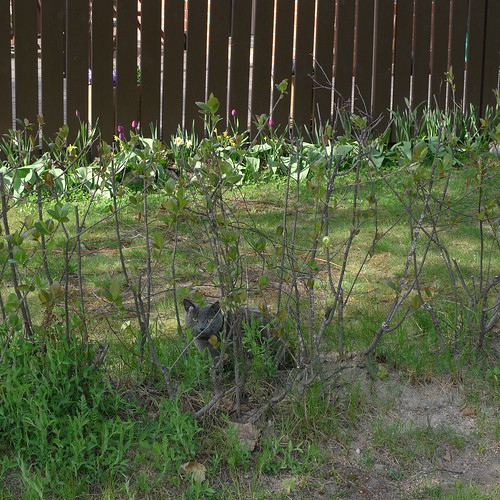
Here are some photographs taken today, a cool day, but sunny. Did you spot the cat?

Somewhat related to photography, Scientific American published recently an article titled Human Brains Are Optimally Tuned for the Visual Hunt, which contained this: '... we're excellent visual hunters, and a new study demonstrates that the human brain uses its inputs and neural networks to find "search objects" at a near-optimal level."

But does this explaing why taking photographs is such a pleasure?

Thursday, December 2, 2010

Warming up


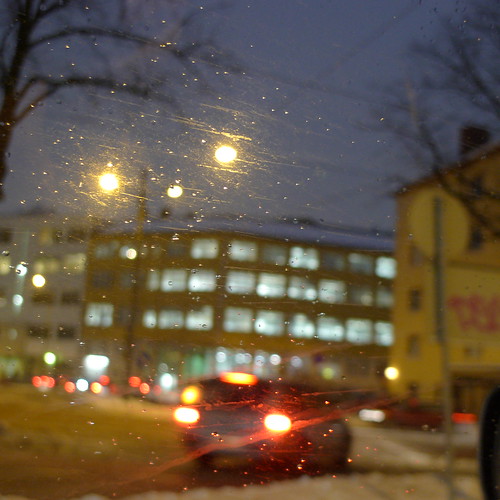
Car, originally uploaded by jiihaa.

Helsinki, originally uploaded by jiihaa.

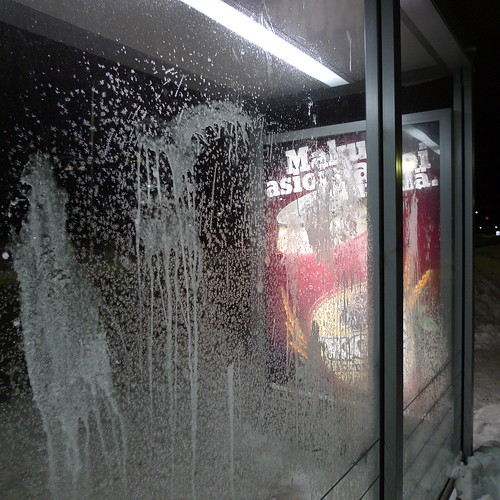
Splash, originally uploaded by jiihaa.

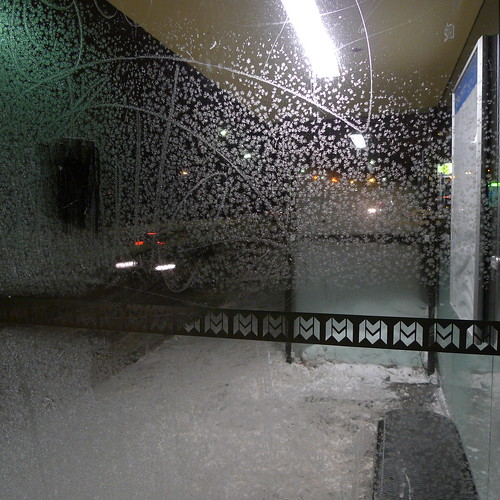
Bus stop, originally uploaded by jiihaa.

Today the weather warmed up to -1 °C, quite a change from -16 °C. Snow didn't yet start melting, although it was very slippery on the sidewalks and roads. Here are some traffic-related photographs from today.

I guess you noticed the science news about arsenic-based microbes which had even a press event at NASA. Nature showed once again that life is stranger than we thought: "A bacterium found in the arsenic-filled waters of a Californian lake is poised to overturn scientists' understanding of the biochemistry of living organisms. The microbe seems to be able to replace phosphorus with arsenic in some of its basic cellular processes — suggesting the possibility of a biochemistry very different from the one we know, which could be used by organisms in past or present extreme environments on Earth, or even on other planets."

This is quite something. If only we started to understand ourselves a little better, too.