Showing posts with label Ixus400. Show all posts

Monday, September 29, 2014

And first with nicest skill and art

Last week I got over eight hours of exercise, half of it during the weekend, walking in forests and swamps. This weeks looks good for commuting by bicycle, although it is getting colder.

I went ahead an pre-ordered the Panasonic LX100. It is not cheap, 1000 euros here in Finland, and I debated the wisdom of the purchase for quite some time. And now I might have time to regret it, as the camera will be shipped in late October or November. But I'm really missing the feeling of having a real camera in my hands while walking. In fact, it seems that I don't know what to do with my hands as if something has been cut away.

My first digital camera was Canon Digital IXUS 400, which cost well almost 600 euros. That camera broke when the lens cover got stuck. Then I had the Panasonic LX3 and the Panasonic LX5. And now I'm getting the new Panasonic, and I hope it will be as good in the hand as the LX3 and the LX5 were.

(Posting title is from the poem The Building of the Ship by Henry Wadsworth Longfellow.)

Thursday, July 21, 2011

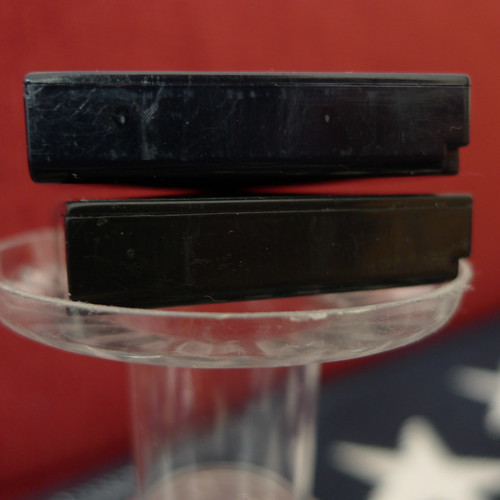
How the Panasonic LX3 looks after 200,000 photographs taken with it

Arthur asked: "Please, can we have a picture of the camera!"

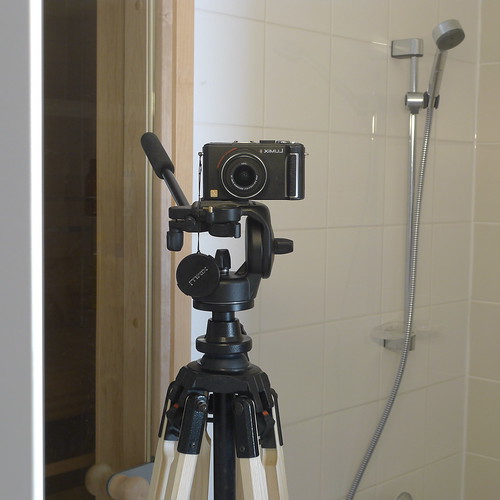
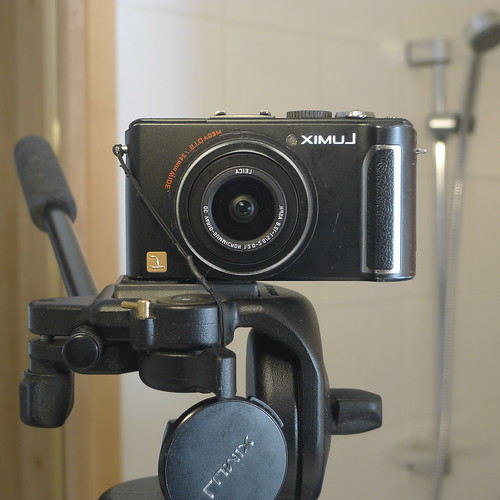
So, here you are, self-portraits of the LX3 after 200,000 photographs taken with it. I mounted the LX3 on top of my Berlebach tripod, which I use with astronomical binoculars. A bit of mismatch in sizes there with the camera and the tripod...

As I'm taking the LX3 everywhere I go, why not the shower as well?

On a more serious note, when I had my first digital camera, the Canon Ixus 400, I was very cautious about taking photographs in the rain. With the LX3 I have relaxed a lot - rain doesn't bother it much. Just wipe most of the water away after you get inside, and let it dry.

The LX3 has gotten a lot of punishment in other ways also. I have dropped it on rock, on ice, on snow, and on a hard floor. After I first dropped it (on a rock), I was convinced that it was broken - but nothing happened. And nowadays I try to be cautious, but don't stress it too much if the camera is dropped.

The Ixus 400 did break down after being dropped on the floor - the built-in lens cover stuck and didn't work. That may be one reason for the better durability of the LX3, not having such a thing.

If you look carefully at the LX3 self-portrait, you can see some signs of wear around the lens, on the ring where the lens cover is attached: it was originally all black.

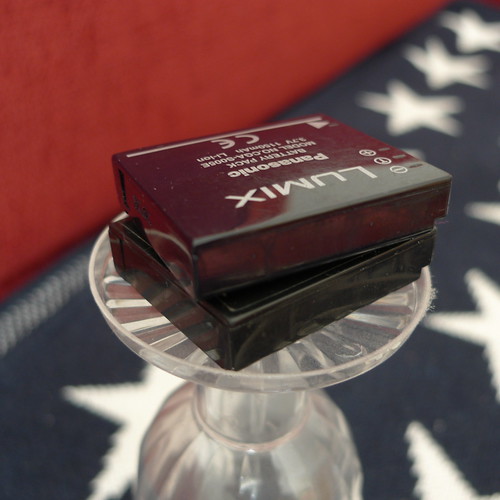
I included here also photograph of the batteries which started bulging and didn't fit into the battery compartment any more. Now I have two new batteries, each lasting up to 800 photographs on one charge. It is good...

I couldn't take closeups of the camera bottom, where the biggest signs of wear are, as the LX3 is currently my only camera able to focus close. (With the Nokia E7 the closest focusing distance is 50 cm.) It would be of course interesting to lovingly document all the little scratches, bending plates and worn materials - but I'll leave that for now.

Saturday, June 19, 2010

About workflow - or, how to process 100,000 photographs


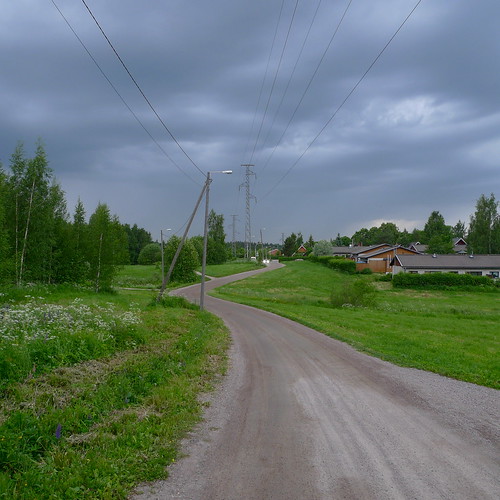
Road, originally uploaded by jiihaa.

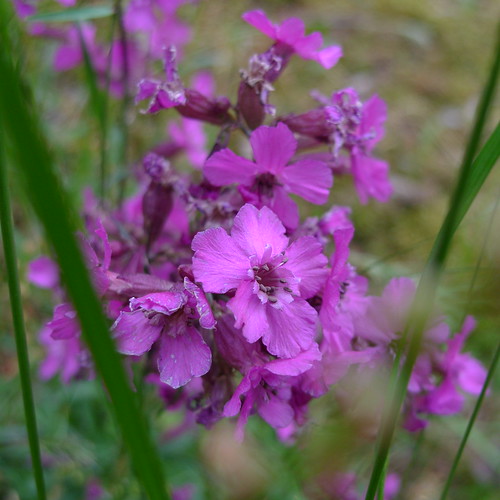
Lychnis viscaria, originally uploaded by jiihaa.

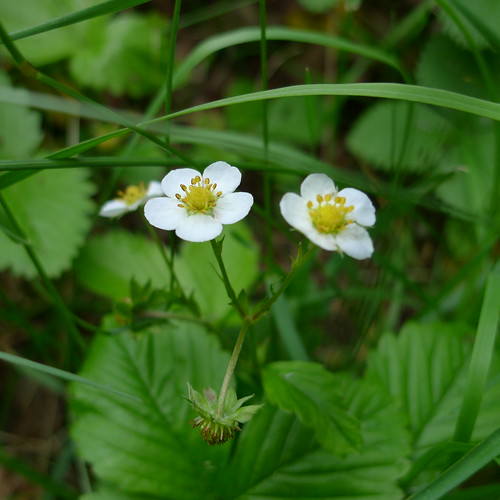
Wild strawberry, originally uploaded by jiihaa.

As I wrote here on Friday, I have taken over 100,000 photographs with the LX3 which I bought in September, 2008, just after it became available in shops.

I was asked about the workflow: how I process hundreds of images daily (well, on the average about 150 images per day). Simplicity, that is the recipe.

In the beginning I was doing quite a lot of post-processing to the images, but I have more or less stopped that since the last few months. Occasionally I correct the color balance (this is often necessary with artificial light), but that is rare. Every once in a while I may change exposure or contrast a little bit afterwards, like in the first image here, where I slightly decreased the exposure to make the image better match the actual situation. But I don't do it often, I try to get the photograph right in the camera.

When I look at some of my older photographs, for example some from 2008, I tend to dislike the heavy post-processing. (There are some exceptions, though.)

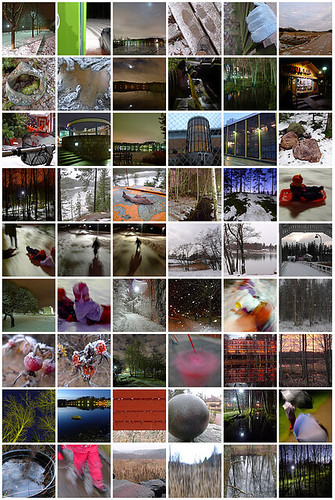
Nowadays I transfer the images to iPhoto on my iMac using an usb card reader, and then I go fast through the images deleting about 90-95 percent of them. Then I go through the remaining images once again and delete some more. Then I upload the images to Flickr and name them there.

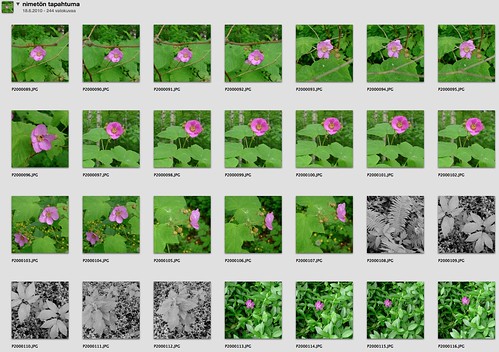
Below you see how it looks in the beginning of the process. Yesterday I had 244 images, and of the 28 shown here I deleted all but two.


Although I haven't been buying new cameras all the time, I have had quite a few cameras before the LX3. As I have previously discussed, I'm serious about buying cameras, and do a lot of work beforehand.

My first own camera was a Minolta XG-1, an aperture-priority SLR, but before that I was allowed to use a family camera, a Canon Canonet QL 17 GIII. And afterwards I have used numerous small film cameras, even an APS format camera (does anyone remember that still).

Before the LX3 I had a Canon Digital Ixus 400 for several years, but the lens got stuck, and thus I started to look for another camera. And after checking out the LX3 in a shop, I bought it, even though no "serious" reviews of the camera had been published yet.

Saturday, February 7, 2009

Lens problems with the Panasonic LX3 - should I buy another just in case?


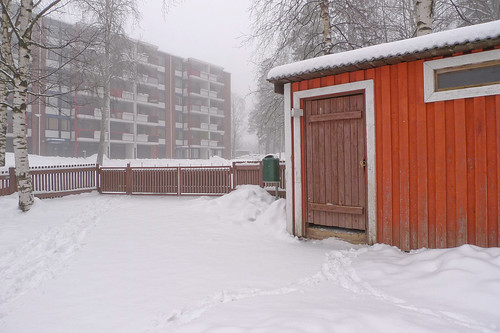
Red shack, originally uploaded by jiihaa.


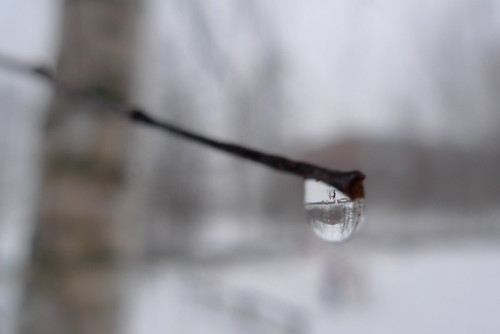
Upside down in a drop, originally uploaded by jiihaa.


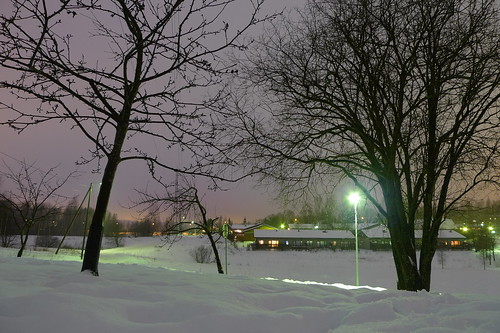
Tree shapes, originally uploaded by jiihaa.

My LX3 is having more and more problems. Previously, memory cards gave occasionally write errors, which were fortunately curable by reinserting the card. And since going back to shooting jpeg instead of RAW+jpeg I haven't had any problems, so this may be a software problem instead of hardware.

Also, I have noticed that the zoom is no longer smooth, there is a short of abrupt jerk somewhere in the middle of the range. This problem appeared also a couple of weeks ago.

Today new problems appeared. I was out at a playground with the chilren, and took a few photographs of the foggy landscape. But when shutting the camera, the lens didn't retract properlly all the way but instead stuck about 3 mm outside the barrel. I switched the camera on again, and then off, and the same thing happened. Then when I switched the camera on again, it didn't start at all but instead gave instructions to switch the camera off and on again. After a few cycles of this, the camera finally agreed to retract the lens.

At home, when I tried the camera again, it worked as it used to, including that small jerk in the zoom when extending the lens.

But later today I ran into another problem. When switching on the camera, the lens extended, retracted, extended again, and there was a notice on the screen: "system error (zoom)". After shutting the camera (the lens retracted ok) and switching it on again, there was a similar kind of extent-retract cycle, but then the camera started to function properly once again.

The LX3 has been showing problems almost daily now, so I'm afraid it soon needs repair. I have taken slightly under 29,000 photographs with it, so perhaps 30,000 photographs is a kind of limit in the durability. (As in cars, 3 years or 150,000 kilometers...) But fortunately I should be covered by the warranty if the camera soon breaks.

I have been thinking whether I should buy another camera to supplement the LX3. My Ixus 400 is broken (E18 error, stuck lens) and I'm not willing to start shooting film with the Minolta XG-1. And my Nokia E90 cameraphone is probably one of the worst cameras ever in terms of usability.

But what choices are there? The G10 is a possibility, but it is bigger, and there is an f/2.8 lens instead of f/2.0 and more noise that on the LX3. The new Fuji F200 EXR has an interesting sensor, but no manual focusing, and typical Fuji usability problems, such as no histogram display.

Another choice would be the Panasonic G1, but I'm not interested in bigger cameras. Also, I would need several lenses to cover my needs, and currently there are limited choices in the selection. And of course there is no lens giving the same capabilities as on the LX3, from 1 cm macro photography to 24 mm wide landscape photography.

So, buy another LX3 just in case? This seems to be the best choice at the moment, although I would need to pay more that I paid originally for the LX3. (The discount price of 399 euro was a great deal.)

The photographs are from today, showing the wet and foggy/clouded landscape.

Sunday, January 18, 2009

A look at the Picture Purgatory


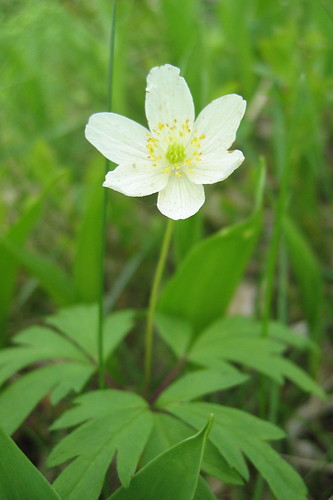
Early Ixus 400 photo (#0103), originally uploaded by jiihaa.


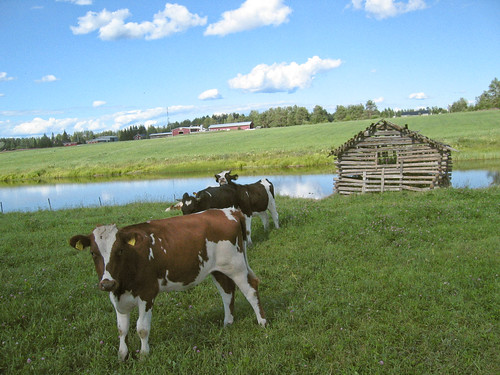
Early Ixus 400 photo (#1198), originally uploaded by jiihaa.

A week ago Paul Lester wrote a posting titled Rescued from Picture Purgatory, on "rescuing" old photos. At first I didn't think much about this, but today I decided to have a look at my first photos taken with a digital camera, from 2003 when I bought a Canon Ixus 400.

Most of my photos from that time were of the family, mainly the children. The first non-family photo was number 103, from May 2003, shown here, the subject being a wood anemone. The next non-family photo came four hundred photos later, so it seems that nature came distant second as a subject.

A much more interesting was photo number 1198, which I remember distinctly. When I took the photo, it was just a hasty snapshot - a lone photo of the landscape after taking photos mostly of the children. But when I viewed the photo on the computer screen, I realized there was potential in the little pocket camera.

My interest in landscapes grew slowly, until in September 2008 I bought a Panasonic LX3 to improve my skills in photography. Nowadays I take mainly landscape photographs, they amout to about 3/4 of the total.

Wednesday, December 31, 2008

I like color (apparently)


54 favorites, originally uploaded by jiihaa.

I once again updated my Flickr group containing the personal favorites of photos taken so far. (Not the last three weeks, I'll do those later when I have some time to forget about them and can see the photos with "new eyes".)

When I did the last update, I noticed that I seem to prefer colorful photos, although I had thought I was mostly producing quite subdued photos. Once again, this seems to be the case. Colors have impact, I can't deny it.

And although I'm not so much into collecting photos and organizing them for all eternity, it is nice sometimes to return to them to have a look what has happened during the year (or the last few months).

One interesting thing was that many of the photos are such that I could immediately see ways of improving them, either when doing the photography or in post-processing. I guess there has been a bit of improvement in the skills. Or then this is just hindsight, not really an indication of better photography skills.

Update: I added the address of the Flickr group. I must say that I'm not always pleased with the Flickr service, it has some limitations in presentation and organization which make some things a bit bothersome. (And it isn't always as speedy as you would like.) But as I'm not looking for a professional-looking impact with the photos, it is mostly okay.

Update 2: The previous time when I noticed that I picked the more colorful photos as favorites, I was mainly using the Ixus 400 as my camera. Is there a difference compared to the LX3? I think I have moved towards a bit more wide palette of effects, not always trying to build the photo around strong colors. And so perhaps the current favorites are a bit more subdued in the color department - however I hope they are better photos.

Update 3: Sometimes I think that post-processing digital photos is cheating, despite the fact the I'm doing it more and more. Should you get the photo right when you take it, or depend on making it right later?

Two aspects of digital photography which I have grown to accept are the limited dynamic range and problems with color balance. In these situations there is not much alternative for post-processing, even for a jpeg shooter like myself.

What I would like to see is that the camera technology would take care of some of these things, moving towards wider dynamic range even in dim lighting. Of course, I understand the DSLRs have much better capabilities than compacts, but as I have written here previously, I don't want to carry an anvil around my neck.

Update 4: The Online Photographer has an interesting comment about post-processing, A Note From Underground, discussing the photography of Ms. Leibovitz: "Bottom line is, what is handed to the retoucher is a big pile of doo-doo handled by dozens of her staff—then have to produce images that look impeccable."

Sunday, November 23, 2008

And then we got a lot of snow


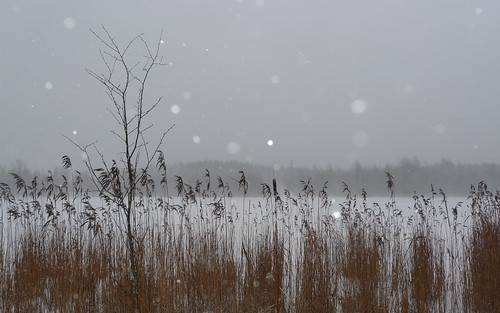
Reeds in snowstorm, originally uploaded by jiihaa.


Snow, originally uploaded by jiihaa.

A snowstorm went over Finland, delivering 10-30 cm of snow in a few hours. The snow was piled in dritfs thanks to the strong winds. I did a lot of shoveling out in the yard, removing snow from around the car and the walkway. I think the same needs to be done tomorrow morning.

Here are two snowy photos from today. It is surprising how quickly you get used to the snow. A few days ago I was wishing for snow, now I'm thinking that this is enough, thank you very much.

I'm still trying to develop a good routine for doing winter photography with the LX3. With the Ixus 400 this was easier, because the camera was easily carried in a small pocket. But the LX3 is sufficiently bigger that this is not so easy. Also, the lens gets in the way. And as I'm using more manual controls, not shooting in automatic mode, the hands tend to get cold before I'm done with a scene. But I'm sure it is possible to find ways of coping with this.

Wednesday, November 12, 2008

Good November Night


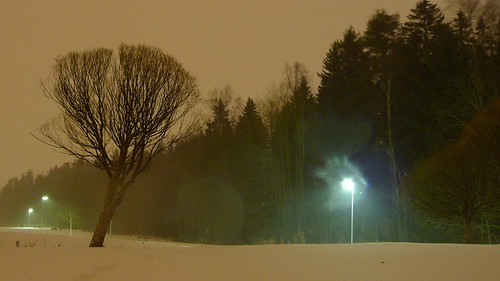
Lammaslampi-sky, originally uploaded by jiihaa.

After a day of not using the LX3 for photography, I feel cautiously optimistic. It seems that I'm able to do some things with my older cameras which I was not able to do previously - exploratory, more creative things. Perhaps the best things about the LX3 is that it encourages to "think outside the box", to try things you did not do previously. Besides being fun, some of these things might actually help in developing the photography skills.

But I'm waiting impatiently on getting my hands on the LX3 again. The wide angle lens is something special, as the relatively noisefree images and good handling of scenes with potential dynamic range problems.

There are still things which I have not tried out, such as using bracketed exposures for increasing the dynamic range. Perhaps this is possible without using a tripod, at least it is worth investigating. I'm not into HDR, but some scenes don't really work without using some kind of multiple exposure techniques.

The photo here was stiched together from three Ixus 400 photos. Clearly a case where the 24 mm wide angle lens of the LX3 would have been excellent. And there is quite a lot of noise visible, as well as the usual hot pixels. But for the Ixus 400, this was not bad at all.

Blurred photos - no other option


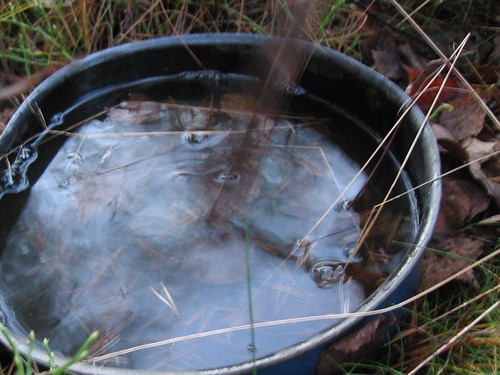
Pan, originally uploaded by jiihaa.


Dam, originally uploaded by jiihaa.


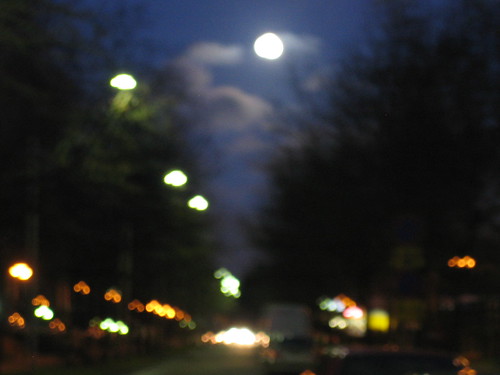
Moon over street, originally uploaded by jiihaa.

Because I couldn't use the LX3 today, I took quite a few photos with my Canon Ixus 400. It was interesting to return to the camera after using the LX3. Many things were not good - the slow f/2.8 lens limited at 36 mm wide, no image stabilization, slow speed of the camera, no manual controls, etc.

Some of the photos were not so bad. And almost all photos contained some kind of motion blur. There was not enough light, so I had to compensate by trying to use the long exposure for "artistic" benefit.

Here are a few examples. I set the ISO at 200, so there is noise visible if you look at the bigger files. (With the LX3 this would not be a problem.) But at the smaller size the photos are quite ok.